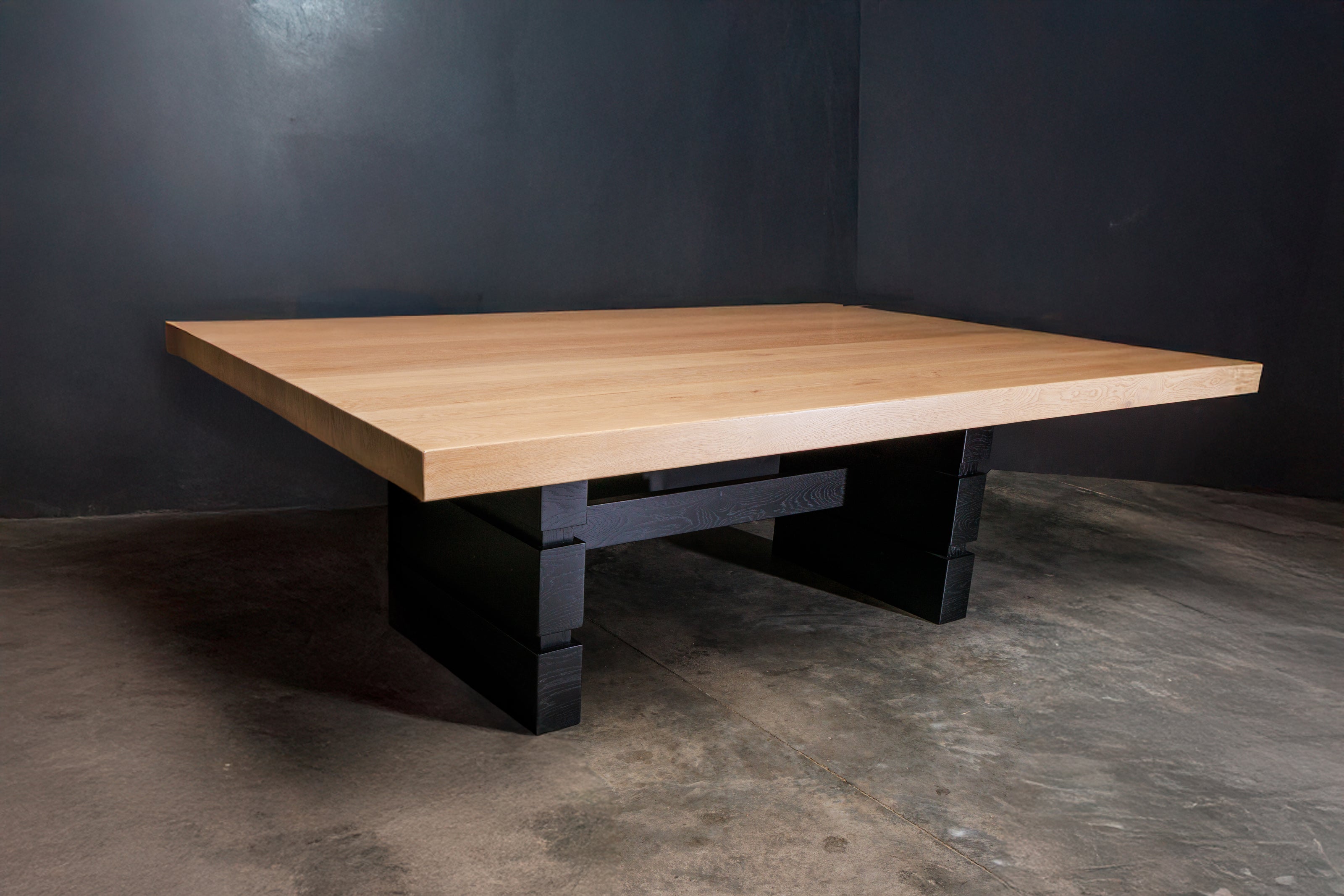
Bench-Built Choices: A Homeowner’s Guide to Selecting and Managing a Furniture Maker
Initially, assess your goals for each room and how the furniture should serve daily routines. A compact dining table for a small kitchen demands different joinery and finishes than a statement piece in a formal space. Define usage, traffic, and expected wear so makers can propose appropriate hardwoods, protective coatings, and edge profiles. This clarity protects schedules, curbs rework, and aligns expectations with realistic craft timelines.
Next, scope the material palette with resilience in mind. Oak, walnut, and maple each respond differently to humidity swings and sunlight, so your maker should advise on grain orientation and thickness. Ask about lumber sourcing practices and moisture targets, because stability begins well before assembly. Document species decisions, finish sheen, and color samples to ensure consistent outcomes across multiple pieces ordered over time.
Meanwhile, stage the design process in checkpoints that de-risk surprises. Start with rough sketches, move to scaled drawings, then validate with physical finish swatches or a small mockup. For built-ins or desks, verify ergonomic dimensions like knee clearance and monitor height. When space is tight, a cardboard template can reveal pinch points. Each step tightens alignment and reduces costly adjustments late in fabrication.
Beyond that, align function with joinery strategies. Mortise-and-tenon and dovetails are time-tested, but they add weight and complexity where it matters most. For movable shelves or modular components, lighter methods can be sufficient. Discuss repairability and access panels for wiring if you’re planning media cabinets or workspace solutions. The right mix yields durability without burdening delivery logistics or future maintenance.
Then, phase your order to match life events and room readiness. If floors are being refinished, buffer delivery until final coats cure to avoid damage. For a home office, sequence the desk first so technology setup can proceed, and bring in credenzas later. Staggering arrivals lets you inspect each item carefully, validate fit, and keep pathways clear for safe handling inside the home.
However, budget structure benefits from transparency across materials, labor, and finish complexity. Request ranges for alternatives—solid wood versus veneered panels where appropriate—to manage costs without sacrificing the look. In practice, small design refinements, like adjusting overhangs or hardware selection, can meaningfully influence labor hours. Track these choices in a shared document so everyone can reference the latest scope.
Often, finish selection makes or breaks long-term satisfaction. Oil and wax highlight figure but need periodic upkeep; catalyzed finishes add protection with a different hand feel. Discuss sheen levels, stain penetration, and cleaning routines for surfaces that see spills or heat. Calibrate expectations around patina, especially on tabletops. If you prefer uniformity, ask for samples reflecting the exact sanding sequence and topcoat schedule.
Similarly, logistics planning reduces risk at delivery. Measure doorways, stair turns, and elevator clearances, and validate weight with the maker to plan safe lifting. Inspect pieces on arrival under natural light, documenting any concerns immediately with photos. Maintain humidity within a reasonable band to prevent seasonal movement issues. Simple practices like felt pads and routine dusting extend service life while protecting floors and finishes.
Additionally, vendor fit shows through process discipline and communication style. A shop that can explain grain matching, movement allowances, and fastener choices is better positioned to refine designs before wood is cut. If your project spans rooms, ask how they sequence production to ensure color continuity. Some clients pursue Custom Artisan Wood Furniture to unify aesthetics across living, dining, and work areas without drifting in tone.
Finally, consider how specific service categories support your plan. Custom furniture design clarifies proportions and workflow in tight spaces, while custom home furniture addresses daily utility and comfort. For work areas, custom office furniture can integrate cable routing and storage. If heirloom intent matters, custom made furniture built with repairable components makes future tune-ups straightforward. With thoughtful planning and clear checkpoints, bench-built pieces deliver lasting value.